How to dispose of a fiberglass boat in Delaware: get rid of your old hull the right way
Hansons Boat Removal handles statewide licensed fiberglass hull pickup and certified EPA-compliant disposal across Delaware.
Why are fiberglass boats hard to dispose of in Delaware?
Fiberglass boat disposal in Delaware runs $400 to $1,500 depending on hull length, foam core density, and whether fuel, batteries, and engine fluids are still on board. Delaware's recreational boats have been piling up for decades along the Indian River Bay, the Chesapeake and Delaware Canal, and freshwater lakes like Trap Pond. A lot of those hulls are fiberglass from the 1980s and 1990s boom years, and they're not seaworthy anymore. Delaware environmental rules restrict fiberglass landfilling because the resin, glass fibers, and fiberglass dust in an end of life hull classify as problem materials at most standard transfer stations. Abandoning a fiberglass boat hull on your property or at a marina can trigger fines under Delaware boat disposal laws, and the Delaware Department of Natural Resources has stepped up enforcement on marine debris and abandoned recreational boats in recent years.
The typical scenario Fiberglass Boat Disposal in Delaware sees: an owner inherits or walks away from an old fiberglass hull, the marina starts charging daily storage fees, the local salvage yard won't touch fiberglass scrap, and towing the boat anywhere requires permits most people don't know how to pull. Dismantling a fiberglass hull isn't like scrapping aluminum. The resin and glass fibers require a certified processor, and draining fluids, pulling batteries, and stripping electronics has to happen before any recycling or disposal in Delaware can legally proceed. Fiberglass Boat Disposal in Delaware holds the licensing to handle that full chain, from your driveway or slip to a certified recycler, with a disposal certificate at the end. Send us a photo of the hull and we'll give you a firm Delaware quote within the day.
What are your Delaware disposal options for a fiberglass hull?
Cost and pricing factors
Fiberglass boat disposal in Delaware runs $400 to $1,500 depending on hull length, foam core density, and whether the vessel still holds fuel or other fluids. Wilmington, Dover, and Lewes all have marina lots and private storage yards holding abandoned recreational boats that owners can't legally drop at a landfill.
Why landfills won't take fiberglass
Delaware boat disposal laws prohibit fiberglass hulls from standard solid waste facilities because grinding produces fiberglass dust and resin particulates classified as hazardous materials under state solid waste regulations.
What the full process covers
Fiberglass Boat Disposal in Delaware handles the full end of life process — drain fluids, pull batteries and electronics, separate salvageable scrap from composite waste, then route the dismantled boat hull to a certified recycler. No landfill dumping, no cutting corners on hazardous materials. A vessel that isn't seaworthy and can't be salvaged still requires documented dismantling, not just towing to a salvage yard and walking away. Delaware boat recycling program options through standard scrap channels don't cover fiberglass, which is why the processing chain matters.
Disposal certificate and next steps
Fiberglass Boat Disposal in Delaware provides a disposal certificate naming the certified processor and date, which satisfies marina requirements and clears title. Send photos of your hull to get a firm quote within the day.
How does professional boat removal work for fiberglass in Delaware?
Yard or trailer pickup
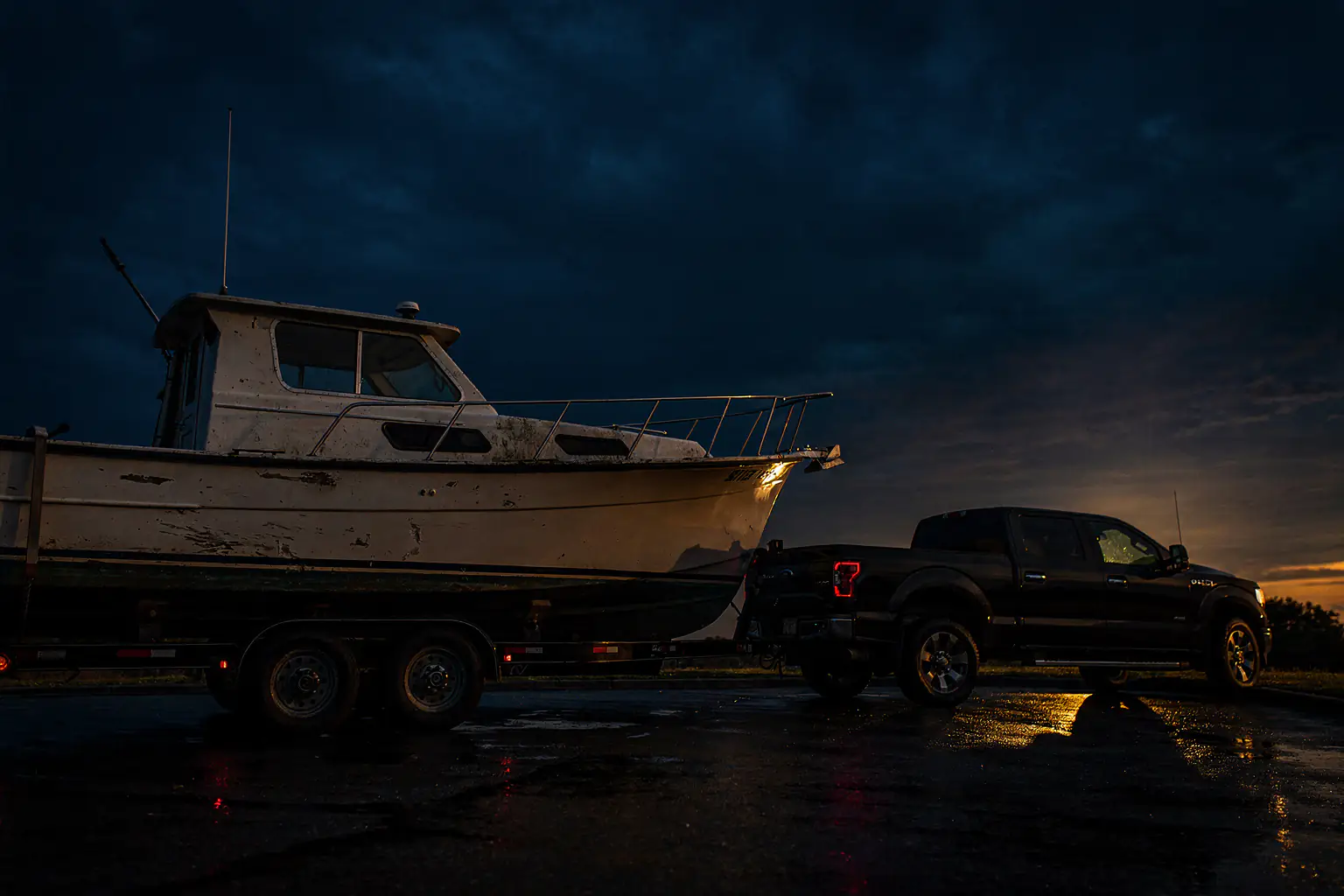
Your fiberglass boat hull is on land or a trailer at a Delaware residence. Hansons Boat Removal drains fluids, pulls the engine, batteries, and electronics, then hauls the scrap to a certified processor. No DIY disposal steps needed on your end.
Marina or slip removal
Hansons Boat Removal coordinates directly with your Delaware marina for dockside dismantling of abandoned or end-of-life recreational boats. Slip fees stop the same day the hull leaves. No towing through the water required if the boat isn't seaworthy.
Multi-hull disposal
Delaware boatyards, estates, and salvage yard operators with several fiberglass hulls get consolidated scheduling. One crew, one disposal certificate per vessel, and no per-trip salvage fees stacking up. The Delaware boat recycling program Hansons Boat Removal uses accepts bulk FRP loads from marine debris cleanups as well.
Is there a boat recycling program in Delaware?
Fiberglass boat disposal in Delaware runs $400 to $1,500 depending on hull length, foam core density, and whether fuel, batteries, or other hazardous materials are still on board. Hansons Boat Removal handles fiberglass disposal across Delaware — from Wilmington and Dover to Rehoboth Beach, Lewes, and rural Sussex County properties where abandoned recreational boats have been sitting on trailers for years.
Delaware's coastal climate is hard on fiberglass. Salt air breaks down gelcoat, resins absorb moisture, and glass fibers delaminate faster than owners expect. That leaves a lot of boat hulls that aren't seaworthy, can't be salvaged for resale, and can't go to a standard landfill without dismantling and fluid removal first. Delaware boat disposal laws treat fiberglass as a problem material — improper dumping at a salvage yard or transfer station can result in fines. The Delaware Department of Natural Resources and Environmental Control has cited marine debris from abandoned vessels as an ongoing concern in tidal areas.
Fiberglass Boat Disposal in Delaware covers the full chain: drain fluids, pull batteries and electronics, deconstruct the hull, and send fiberglass dust and scrap resin to a certified processor. Text a photo of your boat hull to get a flat Delaware disposal quote within the hour.
All Service Areas by County
We also serve these communities across the state
Kent County
- Bowers
- Camden
- Cheswold
- Clayton
- Dover
- Dover Base Housing
- Farmington
- Felton
- Frederica
- Harrington
- Hartly
- Highland Acres
- Houston
- Kent Acres
- Kenton
- Leipsic
- Little Creek
- Magnolia
- Milford
- Rising Sun-Lebanon
- Riverview
- Rodney Village
- Smyrna
- Viola
- Woodside
- Woodside East
- Wyoming
New Castle County
- Arden
- Ardencroft
- Ardentown
- Bear
- Bellefonte
- Brookside
- Claymont
- Delaware City
- Edgemoor
- Elsmere
- Glasgow
- Greenville
- Hockessin
- Middletown
- New Castle
- Newark
- Newport
- North Star
- Odessa
- Pike Creek
- Pike Creek Valley
- Port Penn
- St. Georges
- Townsend
- Wilmington
- Wilmington Manor
Sussex County
- Bethany Beach
- Bethel
- Blades
- Bridgeville
- Dagsboro
- Delmar
- Dewey Beach
- Ellendale
- Fenwick Island
- Frankford
- Georgetown
- Greenwood
- Henlopen Acres
- Laurel
- Lewes
- Lincoln
- Long Neck
- Millsboro
- Millville
- Milton
- Ocean View
- Rehoboth Beach
- Seaford
- Selbyville
- Slaughter Beach
- South Bethany
Can boats be recycled in Delaware? Common questions answered
Can I take my fiberglass boat to a Delaware landfill?
Delaware's solid waste regulations classify fiberglass-reinforced plastic as a non-standard material, and most county landfills in Dover, Wilmington, and Georgetown won't accept full hulls. The grinding and volume make it a problem for standard tipping floors. Hansons Boat Removal routes fiberglass hulls to certified processors equipped to handle the material properly, which is the only compliant path for most Delaware boat owners.
What does fiberglass boat disposal cost in Delaware?
Hansons Boat Removal prices fiberglass disposal in Delaware between $400 and $1,500. Hull length is the biggest driver, but foam core density adds cost because dense foam requires more grinding time at the certified processor. Boats with fuel, oil, or bilge fluid still aboard run higher because fluids need to be pulled before deconstruction starts. Hansons provides an exact number before any work begins.
Do I need a Delaware permit to transport a fiberglass hull?
Delaware requires an oversize load permit for hulls exceeding 8.5 feet in width on state roads, which covers most boats in the 24-to-40-foot range. Hansons Boat Removal handles permit coordination as part of every job, so Delaware owners don't need to file paperwork separately. If the hull needs to move through Wilmington or along Route 1 corridors, routing and timing get planned around permit conditions.
What Delaware environmental rules apply to fiberglass hull disposal?
Delaware's Department of Natural Resources and Environmental Control sets the rules on hazardous fluid handling and material processing for end-of-life boats. Resins and gelcoat residues can't go to general waste streams. Hansons Boat Removal removes all fluids on-site before transport, then sends the hull to a certified processor that meets DNREC standards. A disposal certificate documents the full chain for title release or marina compliance.
Can Hansons Boat Removal dispose of fiberglass boats stuck in Delaware marinas?
Hansons Boat Removal handles marina extractions at locations throughout Delaware, including tight slip situations in Lewes, Chesapeake City access points, and inland storage yards near Smyrna. Boats that can't be trailered get assessed for crane or lift-out options before the job is scheduled. Marina operators can request a disposal certificate directly, which satisfies most slip-abandonment documentation requirements under Delaware harbor authority rules.
How do you get a free disposal quote in Delaware?
Hansons Boat Removal handles fiberglass boat disposal statewide across Delaware. Send a photo with your hull length and zip code and we'll get you a written quote within hours, with the certified processor named upfront before you commit to anything.