How to dispose of a fiberglass hull in Charlotte, NC
Licensed Charlotte pickup for fiberglass hulls, most jobs scheduled within seven days.
Why are fiberglass boats hard to dispose of in Charlotte?
Mecklenburg County landfills reject fiberglass boat hulls outright — the resin-saturated glass fibers don't break down, and most transfer stations classify end of life fiberglass as a problem material requiring special handling before it ever reaches a disposal site. Charlotte fiberglass boat owners also deal with marina slip fees stacking up at Lake Norman and Mountain Island Lake, and hauling an oversized hull across Mecklenburg County roads means pulling transport permits most haulers won't bother with. Charlotte Fiberglass Boat Disposal handles every piece of that chain, from draining residual fuel and pulling batteries to getting the hull to a certified recycler.
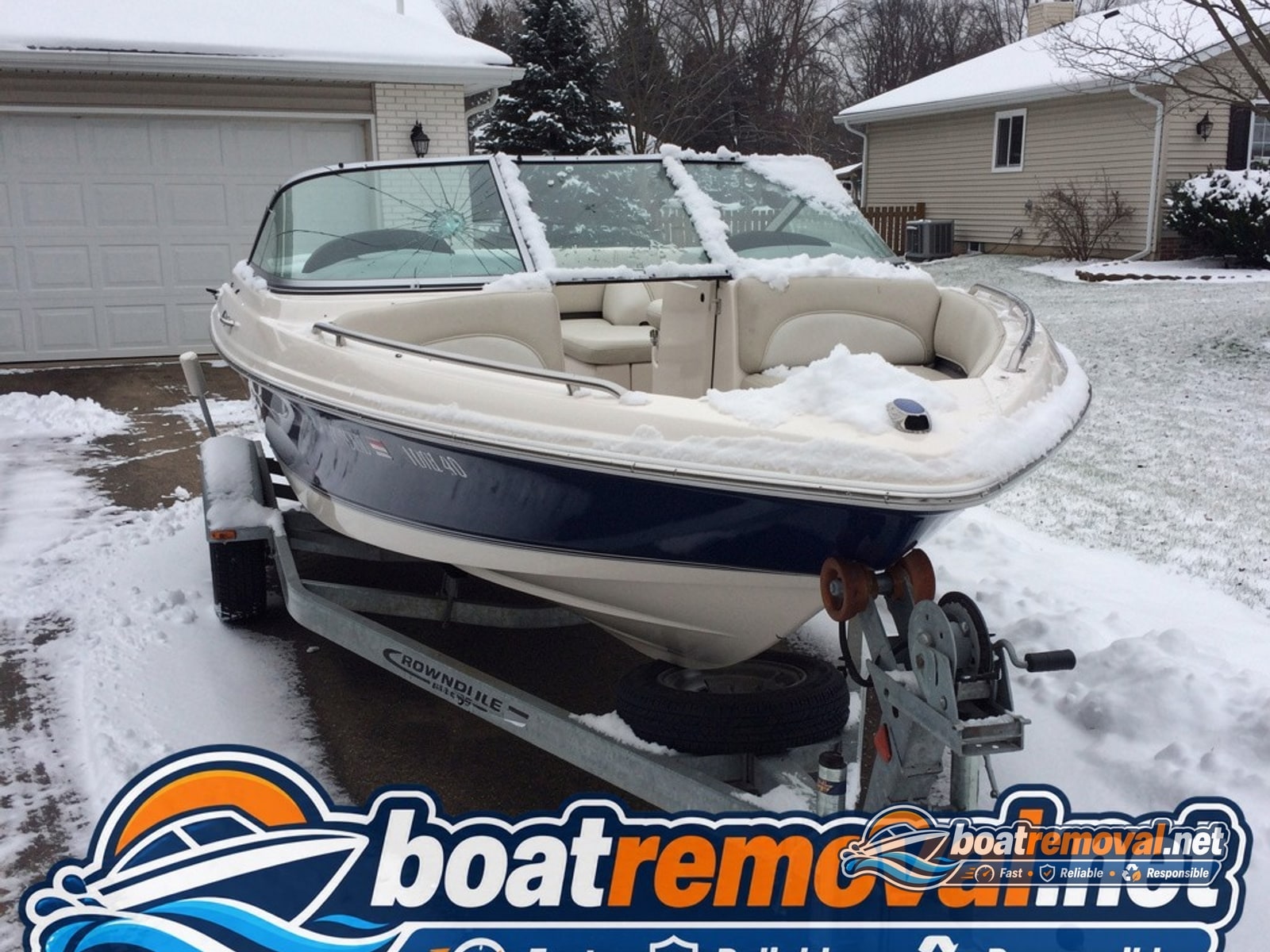
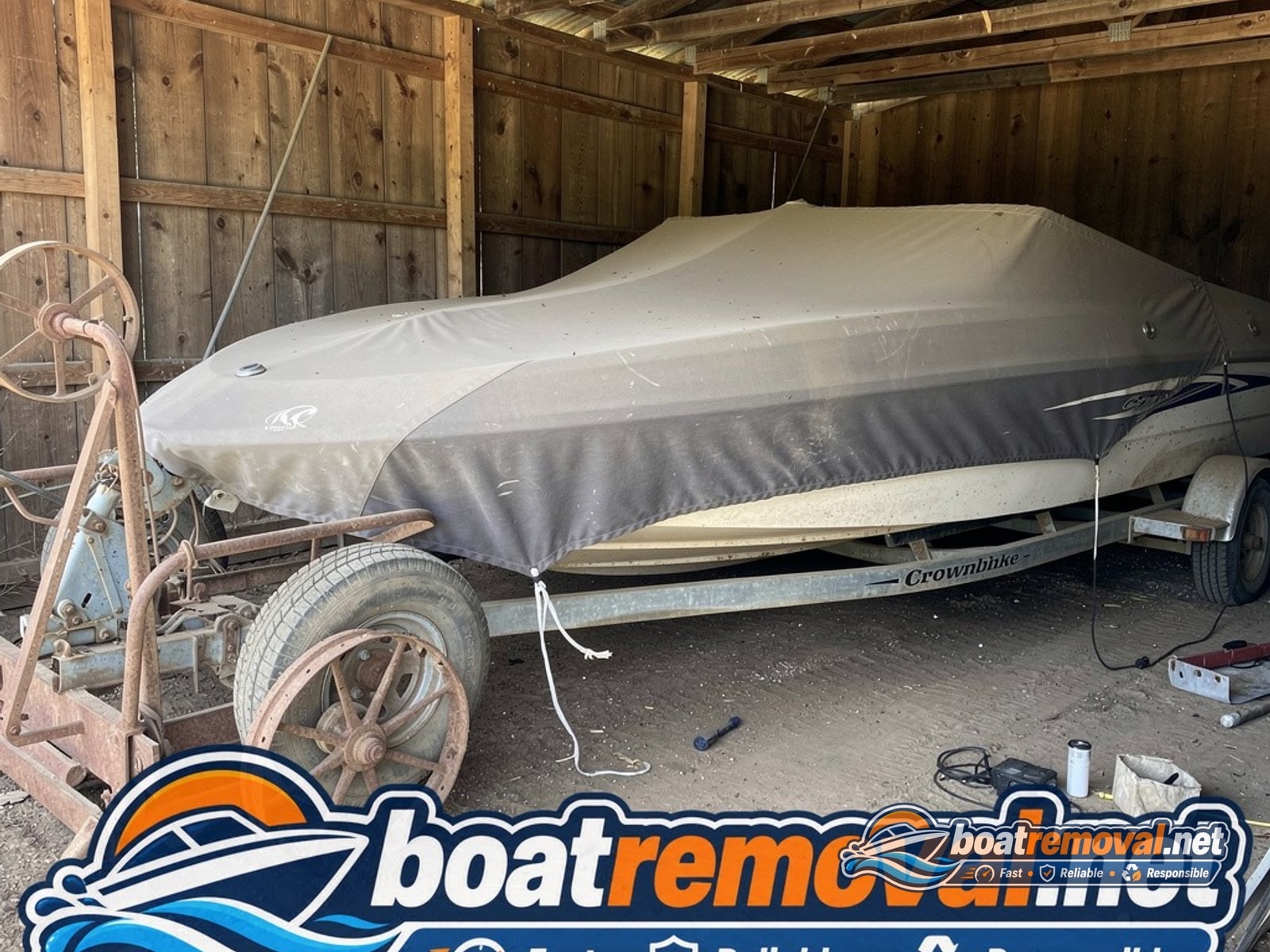
The calls Charlotte Fiberglass Boat Disposal gets most often involve a fiberglass boat hull sitting in a driveway in Steele Creek blocking garage access, an abandoned vessel racking up fines at a Charlotte marina, or an estate executor who inherited a 30-foot scrap hull with no clear disposal path. HOA fines in Mecklenburg County add up fast. Text a photo of your hull to get a flat Charlotte disposal quote within the hour.
What types of fiberglass boats we accept in Charlotte
FRP hulls of any size
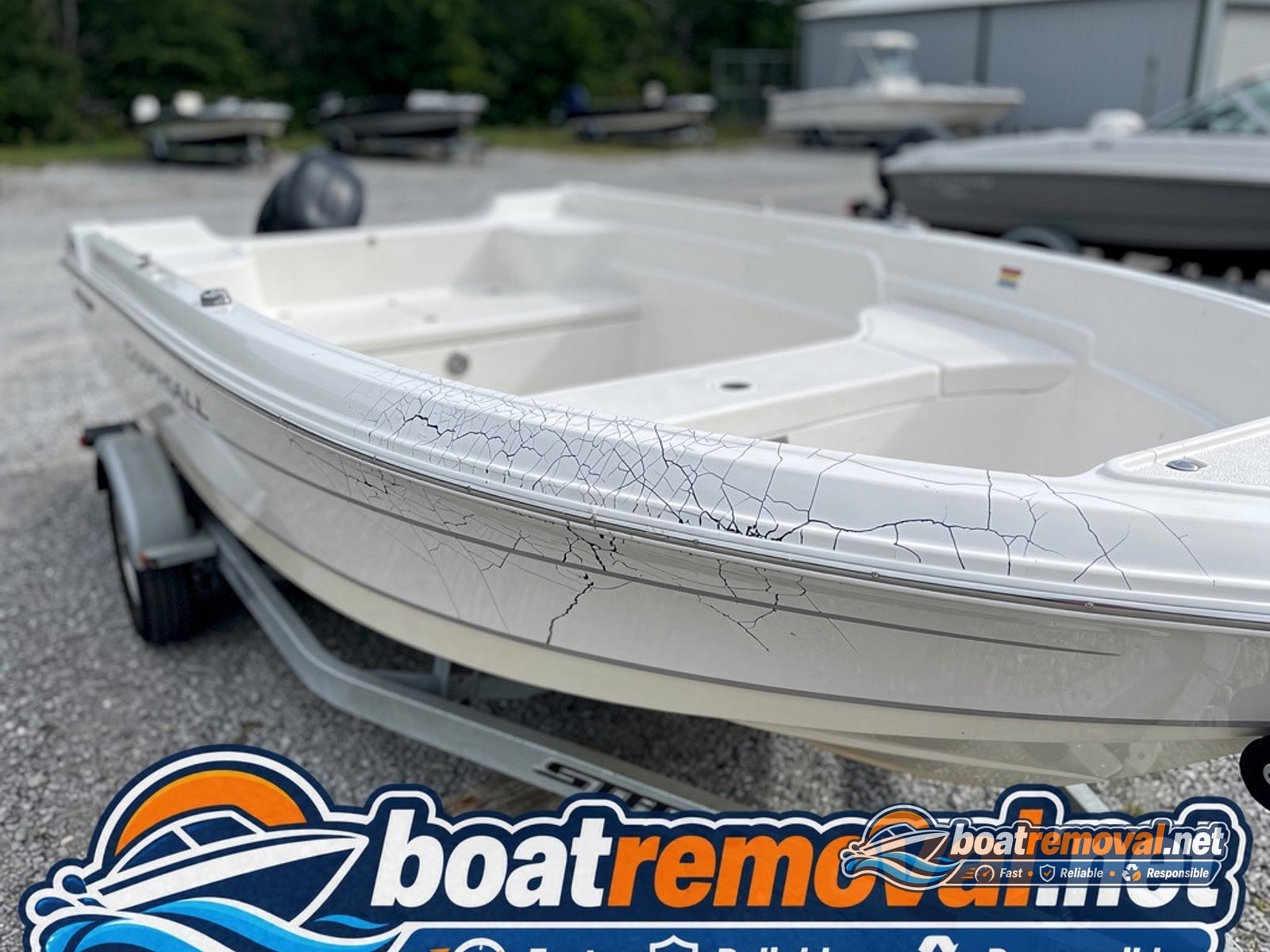
From 14-ft fiberglass runabouts to 40-ft cabin cruisers in Charlotte — including center consoles, deck boats, fishing boats, and fiberglass-built sailboats.
Recycling-first disposal
We route hulls to composite recycling where available across Mecklenburg County, separating fiberglass from metal and engines instead of straight landfill.
On-site Charlotte dismantling
Our licensed crew cuts hulls into transportable sections at your Charlotte property — no expensive crane, no landfill rejection, no driveway damage.
EPA-compliant certificate
You receive a North Carolina-valid disposal certificate naming the Mecklenburg County-area facility used — accepted by Charlotte marinas, insurers, and HOAs.
How fiberglass disposal works in Charlotte
Photo + assessment
Send photos of the hull and confirm length, location in Charlotte, and presence of engine, tanks, or batteries. We respond same day with a written quote.
Hazmat removal first
Before any cutting we drain fuel, pump waste tanks, remove batteries and fire extinguishers — required by North Carolina environmental rules.
On-site dismantling in Charlotte
Our crew cuts the FRP hull into transportable sections, separates fiberglass from metal and electronics, and stages everything for hauling.
Licensed haul + recycling
Hauled to a licensed Mecklenburg County-area composite recycling or EPA-approved facility — no illegal Charlotte dumping, no curbside abandonment.
Disposal certificate sent
Within 48 hours you receive a written disposal certificate — accepted by Charlotte marinas, HOAs, and insurance carriers for proof of legal disposal.
Can fiberglass boats be recycled through a boat recycling program in North Carolina?

Driveway or yard pickup
One fiberglass hull at a Charlotte residence. We drain fluids, pull batteries, and strip the engine and electronics before dismantling starts. This is the most common call we get, and it covers the full end-of-life chain from your driveway to a certified processor. Fiberglass boat disposal at a Charlotte salvage yard in Charlotte isn't an option most scrap yards will take, which is exactly why Hansons Boat Removal exists for this work.

Marina and slip coordination
Hansons Boat Removal works directly with Charlotte-area marina operators on in-water or dock-side dismantling of end-of-life fiberglass hulls. We handle hazardous materials, drain fluids, and recover the engine, electronics, and batteries the same day, so slip fees stop and the abandoned vessel stops being your problem. North Carolina boat disposal laws require proper handling of resins and glass fibers, and we follow that process every time.

Estate and multi-hull disposal
Charlotte foreclosures, boatyards, and estates sometimes have two, three, or more fiberglass hulls sitting on the property. Hansons Boat Removal dispatches a full crew, handles dismantling across all vessels, and provides a disposal certificate for each hull. North Carolina boat recycling program options don't cover multi-hull commercial situations, so this is where a specialist matters.
Fiberglass disposal areas around Charlotte
We handle FRP disposal across Charlotte and surrounding Mecklenburg County communities in North Carolina.
Frequently Asked Questions
Where can I dispose of a fiberglass boat in Charlotte?
Hansons Boat Removal handles fiberglass boat disposal in Charlotte and across Mecklenburg County, including pickups from driveways, storage yards, and marina lots. Fiberglass can't go to a standard transfer station, so the hull goes through deconstruction and grinding at a certified processor. Most Charlotte jobs are scheduled within 7 days of a confirmed quote.
How much does fiberglass boat disposal cost in Charlotte, NC?
Fiberglass boat disposal in Charlotte runs $400 to $1,500 depending on hull length, foam core density, and whether fuel or fluids are still aboard. A 20-foot hull with dry bilges and minimal foam core sits toward the lower end. Larger hulls with thick foam core or full fuel tanks cost more because both factors add time and processing weight at the certified recycler.
Can you pick up a fiberglass boat from my Charlotte driveway?
Hansons Boat Removal picks up fiberglass hulls directly from Charlotte driveways, including tighter residential streets in areas like Steele Creek and Mint Hill. The crew handles fluid removal on-site before loading, so there's no risk of a spill on your property. You don't need to move the boat or prep it beforehand.
Do you handle fiberglass boats at Charlotte marinas?
Hansons Boat Removal works directly with marina operators and slip holders across Mecklenburg County, including boats stored at inland lake facilities on Lake Norman and Lake Wylie. The disposal certificate Hansons provides satisfies most marina requirements for releasing a derelict hull from a slip, and the process covers gelcoat, resins, and foam core, not just the bare fiberglass shell.
What do I get as proof the boat was legally disposed of in Mecklenburg County?
Hansons Boat Removal issues a disposal certificate after the hull reaches the certified processor. That document includes the hull identification number and confirmation of end-of-life processing. In Mecklenburg County, this certificate is typically what a title release or HOA compliance request requires. It's also useful if the boat was previously documented with the Coast Guard and needs a formal record of disposal.
Free fiberglass disposal quote in Charlotte, North Carolina
Same-week pickup across Charlotte and Mecklenburg County. Send a photo + zip — written quote with the disposal facility named within hours. Call Hansons Boat Removal.