8773714145 CALL NOW – 24/7 SERVICE
Book
North Carolina Coverage

How to dispose of a fiberglass boat in North Carolina

Statewide licensed pickup and EPA-compliant disposal for North Carolina fiberglass hulls.

Licensed &
Insured
Nationwide
Service
Fast
Response

Why are fiberglass boats hard to dispose of?

Fiberglass boat disposal in North Carolina runs $400 to $1,500 depending on hull length, foam core density, and whether fluids are still present — with jobs regularly scheduled out of Wilmington, Morehead City, Lake Norman, and the Outer Banks. North Carolina's coast, inland lakes, and river systems put more recreational boats in the water than most states, and a lot of those fiberglass hulls from the 1980s and 1990s boom years are now well past seaworthy. North Carolina boat disposal laws restrict fiberglass from standard landfill sites because the resin and glass fibers break down into hazardous materials, including fiberglass dust that contaminates soil and groundwater. The North Carolina Division of Environmental Quality enforces these rules, and improper disposal carries real fines.

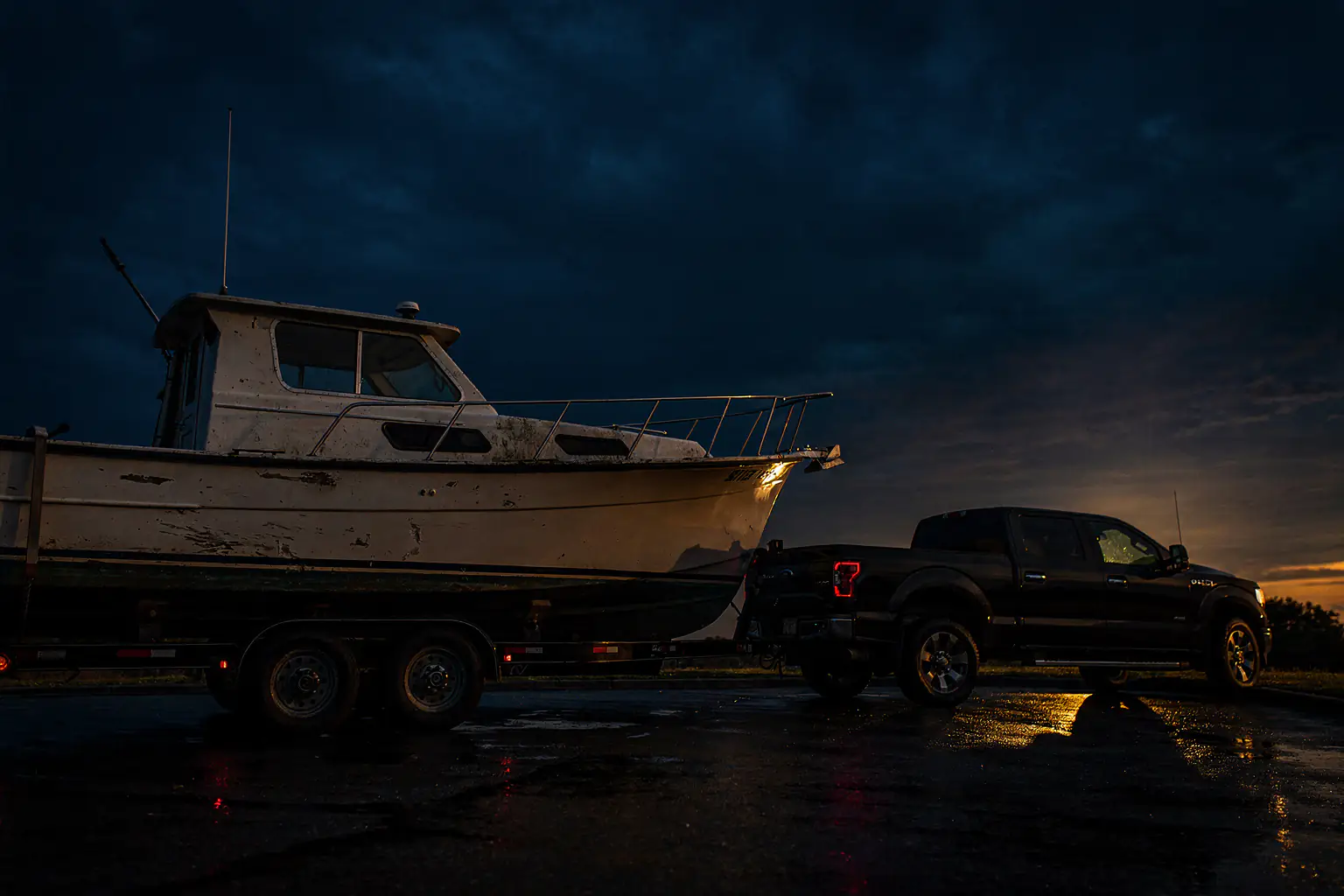
The typical situation looks like this: an abandoned fiberglass hull sitting in a Raleigh driveway or a Fayetteville storage yard, inherited or just given up on, with dead batteries, old fuel, and an engine that hasn't run in years. Local salvage yards won't take fiberglass because dismantling it requires certified processors — not scrap handlers. Marinas in New Bern and Beaufort charge daily storage on derelict hulls, and towing one without permits is its own headache. Fiberglass Boat Disposal in North Carolina handles the full chain: drain fluids, strip electronics, deconstruct the hull, and transfer everything to a certified recycler with a disposal certificate you can use for title release or marina clearance. Send a photo of your hull to get a free quote within the day.

Is there a boat recycling program in North Carolina?

What disposal costs in North Carolina

Fiberglass boat disposal in North Carolina runs $400 to $1,500 depending on hull length, foam core density, and whether fuel, batteries, and drain fluids still need to be pulled before dismantling. A 22-foot fiberglass runabout sitting in a Wilmington driveway costs less to dispose of than a 38-foot cabin cruiser with a full engine bay in New Bern, because the larger boat hull carries more resin, more glass fibers, and more hazardous materials to process.

North Carolina regulations on fiberglass waste

North Carolina boat disposal laws treat end of life fiberglass as composite waste, meaning a standard landfill won't accept a whole hull, and abandoned recreational boats left at salvage yards without proper documentation can trigger fines from county environmental offices.

What the full disposal chain looks like

Fiberglass boat disposal in North Carolina handles the full chain: drain fluids on-site, pull batteries and electronics, dismantle the boat hull, and route fiberglass dust and scrap resin to a certified processor, not a general landfill. North Carolina's coastal humidity accelerates hull degradation, making vessels that aren't seaworthy faster than owners expect, which is why towing a still-intact boat to a salvage yard often isn't an option.

Disposal certificate and recycling program

The North Carolina boat recycling program Hansons works within requires a disposal certificate naming the facility and date, which marinas, HOAs, and insurers accept as proof. Send a photo of your boat hull to get a flat disposal quote within the day.

What are your fiberglass boat disposal options in North Carolina?

If you've got an abandoned fiberglass boat hull on a trailer in your driveway or on your property, this is the most common starting point. Hansons Boat Removal comes to you, drains any remaining fuel and fluids, pulls the engine and batteries, and hauls the hull to a certified processor. Fiberglass can't go to a regular landfill — the resin and glass fibers make it a problem for standard waste facilities, and some counties in North Carolina will issue fines for improper disposal. We handle the dismantling on-site and document everything. A disposal certificate comes with every job, which matters if you're trying to close out a title or satisfy an HOA.

For a fiberglass hull that's still in the water or tied up at a North Carolina marina, Hansons Boat Removal coordinates directly with the facility. We handle dock-side dismantling, drain fluids before anything moves, and get the boat out the same day slip fees stop running. Abandoned recreational boats at marinas are a growing source of marine debris along the North Carolina coast, and most marina operators want the process handled by someone who knows the difference between a salvage job and a proper end of life disposal. We've worked with facilities from the Outer Banks to Lake Norman and know how to get in, get it done, and leave the slip clean.

Boatyards, estate executors, and salvage operators sometimes come to us with three, five, or a dozen fiberglass hulls that all need to go at once. Hansons Boat Removal schedules a single mobilization for multi-hull jobs, which keeps costs down compared to individual pickups. Each hull still gets the full process — engine and electronics out, batteries and fuel removed, dismantling on-site, glass fibers and resin handled by a certified recycler. North Carolina doesn't have a funded boat recycling program the way a few other states do, so for anyone holding a yard full of scrap recreational boats, a coordinated multi-hull disposal is the most practical path to clearing the property and staying on the right side of North Carolina boat disposal laws.

What are the North Carolina disposal options for fiberglass hulls?

Fiberglass Boat Disposal in North Carolina runs $400 to $1,500 depending on hull length, foam core density, and whether fuel or fluids are still present — with jobs regularly scheduled in Wilmington, Raleigh, Morehead City, and Charlotte within seven days of a quote.

North Carolina's coastal humidity accelerates fiberglass degradation, leaving recreational boats with saturated foam cores, cracked resin, and compromised glass fibers that no salvage yard will touch. Abandoned vessel fines under North Carolina boat disposal laws can reach hundreds of dollars per day in marina and HOA contexts, and most county landfills reject fiberglass outright because fiberglass dust and resin residue classify as hazardous materials requiring certified handling. The North Carolina boat recycling program infrastructure is limited, which means end of life disposal in North Carolina depends on certified processors, not standard scrap or towing services.

Fiberglass Boat Disposal in North Carolina handles full dismantling — draining fuel, pulling batteries, removing electronics and the engine, then grinding the boat hull down for certified recycler processing — and issues a disposal certificate that satisfies title release and marina requirements. Text a photo of your hull to get a flat North Carolina quote within the hour.

Where We Remove Boats in North Carolina

Our team covers all of North Carolina, including coastal cities, inland lakes, and remote properties.

Coastal regions and beaches
Lakes, rivers, and reservoirs
Marinas, boatyards, and slips
Private property and rural areas
Urban, suburban, and remote locations

Can boats be recycled in North Carolina?

Most North Carolina landfills reject fiberglass hulls outright. Mecklenburg County, Wake County, and New Hanover County solid waste facilities classify cured fiberglass reinforced plastic as a problem material because it doesn't compact, doesn't break down, and clogs processing equipment. A certified recycler is the legally acceptable disposal path for fiberglass hulls in North Carolina.
Hansons Boat Removal prices fiberglass disposal in North Carolina between $400 and $1,500. Hull length drives the base cost, but foam core density and whether fluids are still present push it higher. A 22-foot hull with dry tanks and minimal foam runs closer to $400. A 38-footer with a saturated foam core and old fuel aboard runs toward the top of that range.
Oversize load permits from the North Carolina Department of Transportation are required for hulls exceeding 8 feet 6 inches wide or 13 feet 6 inches tall in transport. Hansons Boat Removal handles all permit paperwork before the truck rolls. Owners don't need to file anything separately, but the title or a signed release document should be ready before pickup.
North Carolina's solid waste rules under 15A NCAC 13B classify fiberglass reinforced plastic as non-hazardous but restrict landfill disposal at most permitted facilities. Fuel, oil, and bilge fluids are regulated separately under state hazardous waste statutes and must be removed before the hull reaches a certified processor. Hansons Boat Removal handles fluid extraction on-site before transport.
Hansons Boat Removal works regularly in North Carolina marina situations, including facilities in Wilmington, Beaufort, Morehead City, and Oriental. Boats that can't be floated get rigged and lifted by crane or hydraulic trailer. Marina operators get a disposal certificate for their records, which satisfies most slip reclamation requirements and keeps the marina clear of liability for the abandoned hull.

Cities We Serve in North Carolina

96 cities covered. Click for local boat removal details.

How do you get free disposal quotes across North Carolina?

Hansons Boat Removal schedules most North Carolina fiberglass disposal jobs within seven days of quote acceptance. Send a photo with the hull length and zip code to get started.

Call Now for a Free Quote! 8773714145
GET FREE QUOTE