8773714145 CALL NOW – 24/7 SERVICE
Book
New Jersey Coverage

How to dispose of a fiberglass hull in New Jersey

Statewide licensed pickup and EPA-compliant fiberglass hull disposal across New Jersey.

Licensed &
Insured
Nationwide
Service
Fast
Response

Why are fiberglass boats hard to dispose of in New Jersey?

Fiberglass boat disposal in New Jersey runs $400 to $1,500 depending on hull length, foam core density, and whether fluids are still present — and that cost exists because fiberglass can't go to a standard landfill. New Jersey boat owners along the Jersey Shore, Barnegat Bay, the Raritan River, and inland lakes like Hopatcong are sitting on tens of thousands of aging recreational boats from the 1970s and 80s boom years. Those hulls are end of life, no longer seaworthy, and the resin and glass fibers locked inside them make landfill disposal illegal under New Jersey boat disposal laws. Improperly dumped fiberglass creates hazardous materials risk, and fines from the New Jersey Department of Environmental Protection for illegal marine debris disposal are real.

The typical call to Fiberglass Boat Disposal in New Jersey starts the same way — an inherited or abandoned boat hull sitting in a driveway in Toms River or Brick, a marina charging monthly scrap storage fees, and a salvage yard that won't touch fiberglass because dismantling it means handling fiberglass dust, draining fuel, pulling batteries, disconnecting electronics, and disposing of an engine. No New Jersey boat recycling program covers the full processing chain. Fiberglass Boat Disposal in New Jersey handles every step, from draining fluids to certified recycler delivery, and issues a disposal certificate you can use for title release or marina compliance. Text a photo of your hull to get a flat New Jersey quote within the day.

Can boats be recycled in New Jersey?

What disposal costs in New Jersey

Fiberglass boat disposal in New Jersey runs $400 to $1,500 depending on hull length, foam core density, and whether the boat hull still holds fuel, batteries, or other fluids. A 22-foot fiberglass cabin cruiser sitting in a Toms River driveway costs more to dispose of than a 16-foot runabout in a Trenton storage yard, because dismantling time and landfill restrictions both scale with size and material volume.

New Jersey disposal laws and landfill rules

New Jersey boat disposal laws prohibit dumping fiberglass at standard municipal landfills. The resin and glass fibers in a fiberglass hull classify as composite waste, and fiberglass dust created during dismantling triggers hazardous materials handling rules under New Jersey DEP guidelines. Abandoned recreational boats left at marinas along Barnegat Bay or the Raritan River can draw fines from the state's marine debris enforcement program, which has been active in coastal counties.

How Hansons handles the full disposal chain

Fiberglass Boat Disposal in New Jersey drains all fuel, pulls batteries and electronics, and separates salvageable scrap before routing the boat hull to a certified processor. No landfill dumping, no cutting corners on hazardous materials. Send a photo of your boat hull to get a flat disposal quote within the day.

Documentation that protects you

Every fiberglass disposal job in New Jersey comes with a disposal certificate. That document matters for title release, marina clearance, and HOA compliance. It's the paper trail that closes the file on your boat hull for good.

What are the New Jersey disposal options for fiberglass hulls?

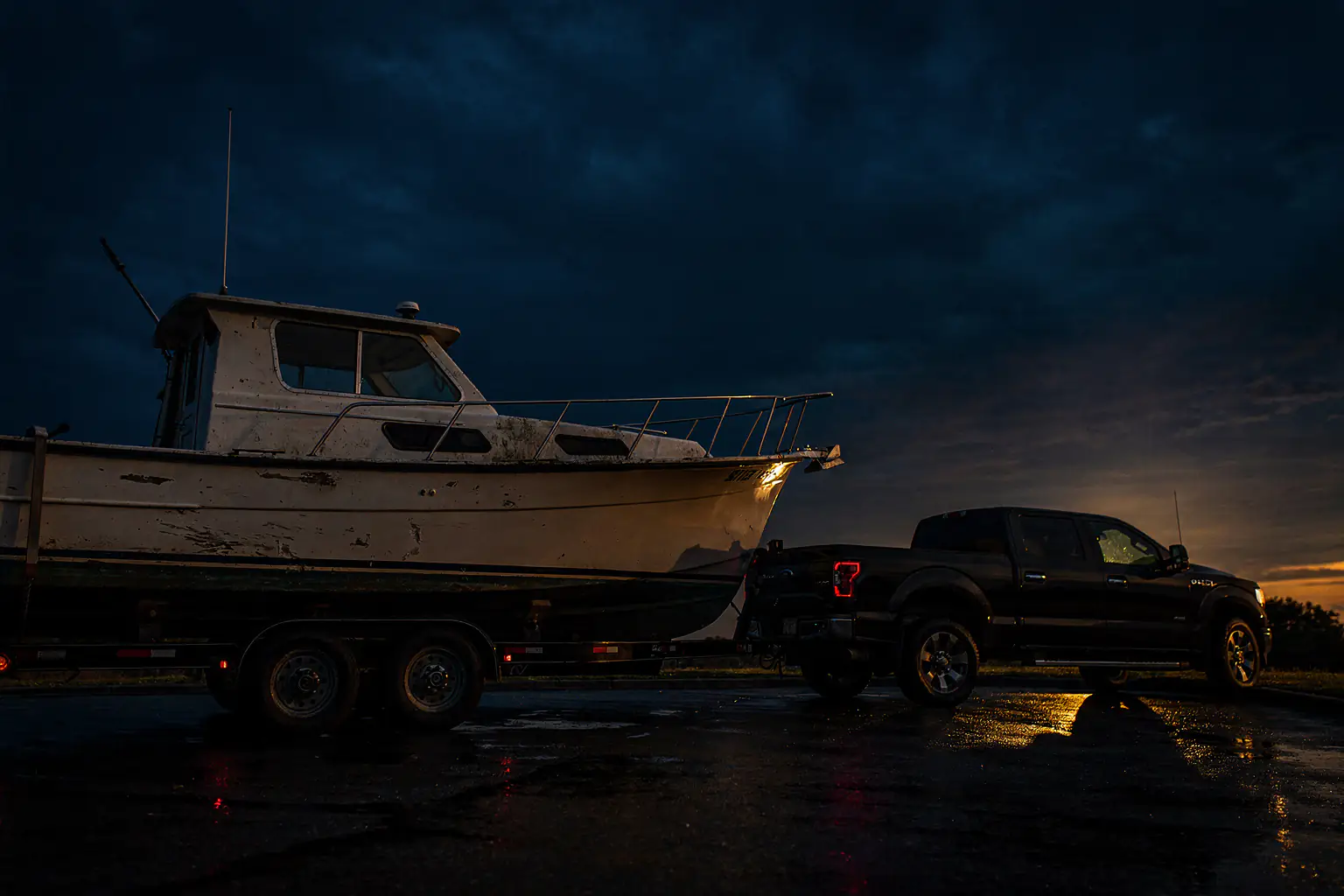
If you've got a fiberglass boat hull sitting on a trailer or in a driveway at a New Jersey residence, this is the most straightforward path. We drain fluids, pull batteries and electronics, and disconnect the engine before the hull ever moves. Fiberglass can't go to a standard landfill because the resin and glass fibers count as hazardous materials under New Jersey boat disposal laws, so the hull goes to a certified processor, not a salvage yard. DIY disposal steps like curbside drop-off or scrap haulers won't cut it here. Recreational boats made from fiberglass require dismantling and grinding before any recycling can happen, and abandoning one on your property risks fines from local code enforcement. Hansons Boat Removal documents the full end of life chain and issues a disposal certificate when the job is done.

When a fiberglass boat hull is sitting in a slip or tied to a dock at a New Jersey marina, the clock on slip fees keeps running until the boat is physically gone. Hansons Boat Removal coordinates directly with marina staff, handles any towing needed to get the hull to a workable position, and starts dismantling dockside. We drain fuel, pull batteries and electronics, and manage the engine before the fiberglass is broken down. The hull stops being your problem, and the marina's problem, the same day we arrive. Abandoned recreational boats in slips are marine debris under New Jersey boat disposal laws, and the fines for letting them sit pile up fast. A New Jersey boat recycling program through a certified processor handles the fiberglass, resin, and glass fibers so none of it ends up in a landfill.

New Jersey boatyards, estate executors, and salvage operators dealing with several end of life fiberglass hulls at once get better logistics and pricing when Hansons Boat Removal handles the whole lot together. We assess each vessel for seaworthy status, salvage value, hazardous materials, and what dismantling each hull actually requires. Batteries, electronics, engines, and fuel come out of every boat before anything moves. Fiberglass dust from grinding is a regulated waste stream, and a salvage yard that doesn't follow certified processor requirements can leave you exposed to fines and liability. Hansons Boat Removal issues a disposal certificate for each hull, which satisfies New Jersey boat disposal laws and closes out title or registration on every vessel in the group.

Is there a boat recycling program in New Jersey?

Fiberglass boat disposal in New Jersey runs $400 to $1,500 depending on hull length, foam core density, and whether fuel, batteries, or other hazardous materials are still on board. Hansons handles fiberglass disposal across New Jersey — from abandoned recreational boats sitting in driveways in Toms River and Vineland to end of life hulls occupying slip space in marinas along the Barnegat Bay and Delaware River towns like Pennsville.

New Jersey's climate is hard on fiberglass. Freeze-thaw cycles crack gelcoat, trap moisture in foam cores, and make dismantling messier and more labor-intensive than in warmer states. New Jersey boat disposal laws prohibit dumping fiberglass hulls at standard landfill sites — resin and glass fibers classify as non-standard solid waste, and fiberglass dust generated during scrap work requires handling controls that a regular salvage yard won't have. Fines for illegal disposal in New Jersey can reach into the thousands.

Fiberglass Boat Disposal in New Jersey drains all fuel and fluids before any dismantling begins, pulls batteries and electronics for separate recycling, and routes the remaining fiberglass hull to a certified processor. Text a photo of your boat hull to get a flat New Jersey quote within the hour.

Where We Remove Boats in New Jersey

Our team covers all of New Jersey, including coastal cities, inland lakes, and remote properties.

Coastal regions and beaches
Lakes, rivers, and reservoirs
Marinas, boatyards, and slips
Private property and rural areas
Urban, suburban, and remote locations

Common questions about professional boat removal in New Jersey

New Jersey solid waste regulations classify fiberglass-reinforced plastic as a non-recyclable composite, and most county landfills in Camden, Monmouth, and Ocean counties will turn a hull away at the gate. A few transfer stations accept small fiberglass pieces, but a full hull requires a certified processor, not a standard dump run. Hansons Boat Removal routes every New Jersey hull to a certified recycler that meets state FRP disposal standards.
Hansons Boat Removal prices New Jersey fiberglass disposal between $400 and $1,500. Hull length is the biggest factor, but foam core density and whether fluids like fuel or oil are still aboard push costs up. A 20-foot hull with a dry bilge runs toward the low end. A 38-footer with a full foam core and sitting coolant is closer to the top. Hansons quotes the exact number before any work starts.
New Jersey requires an oversize load permit for any trailer load exceeding 8 feet 6 inches in width on state highways, which covers most hulls above 22 feet. Hansons Boat Removal pulls the necessary transport permits for every New Jersey job, including routing approvals for moves through dense areas like Bergen County or the Jersey Shore corridor. You don't have to file anything yourself.
The New Jersey Department of Environmental Protection requires that any boat fluids, including fuel, bilge water, and hydraulic fluid, be removed and disposed of separately before a hull enters a processing chain. FRP grinding waste is classified under solid waste rules, not hazardous waste, but the fluid removal step is non-negotiable. Hansons Boat Removal handles that fluid extraction on-site before the hull moves anywhere, keeping the job compliant from the start.
Most New Jersey fiberglass disposal jobs are scheduled within 7 days of a confirmed quote. Pickup, transport, deconstruction at the certified processor, and issuance of the disposal certificate typically wrap up within 10 to 14 days total. Marina situations in places like Point Pleasant or Barnegat Bay may add a day for coordination with the slip operator, but Hansons Boat Removal handles that communication directly so the timeline stays tight.

Cities We Serve in New Jersey

250 cities covered. Click for local boat removal details.

How do you get a free disposal quote in New Jersey?

Send a photo of the boat hull with the hull length and your zip code and Hansons Boat Removal will have a written quote back to you within hours. Most fiberglass disposal jobs across New Jersey get scheduled within seven days. You get a disposal certificate when the job is done, which handles title release, marina requirements, and any HOA documentation you need. The marine debris problem in New Jersey doesn't fix itself, and neither does the boat in your yard. Get a free fiberglass disposal quote and let's get it handled.

Call Now for a Free Quote! 8773714145
GET FREE QUOTE